


A live TV product, by the numbers
Usage and survey data told the same story from three angles: what people played, where they watched it, and where they came from.
DIRECTV GOStreaming, OTT2020 – 2022
DGO was sold as a streaming app, but more than nine out of ten plays were live TV, mostly from people who came from cable and watched on the big screen. Yet checking another channel meant leaving the stream. I redesigned live TV around how people actually watch it: a guide inside the player, and a way back to what already aired.
At a glance
01The problem
More than 9 in 10 plays were live TV, mostly on a TV screen, yet checking another channel meant leaving the stream.
02What I did
Led 3 designers to rebuild live TV around the habit: a guide inside the player, fast zapping, Reverse EPG and look-ahead scheduling.
03The result
79% less time to switch channels, back at the speed of a remote.
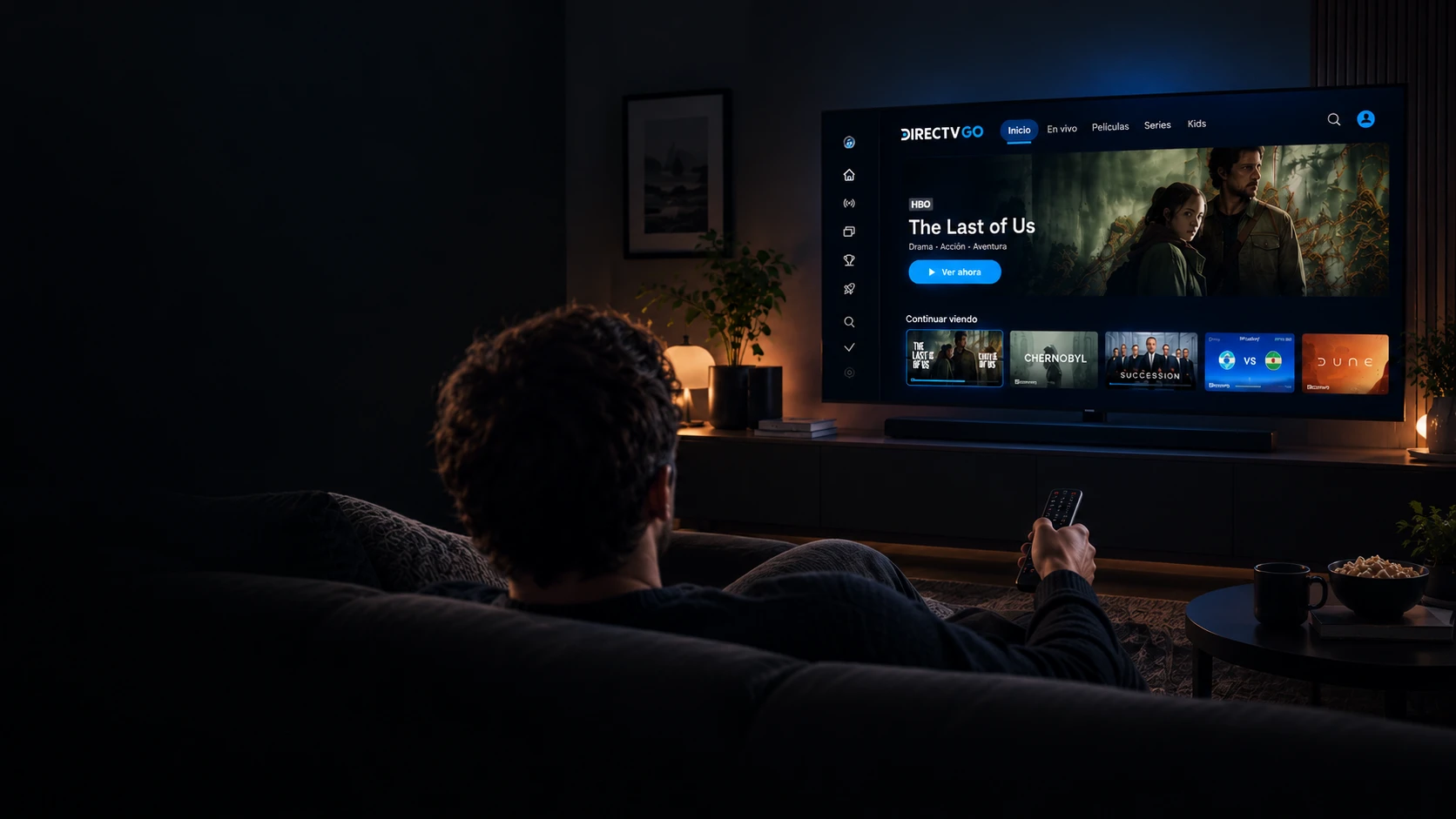
DGO is DIRECTV's streaming platform: live TV channels, exclusive sports, and thousands of on-demand movies and series, available on every device, from phones and computers to Smart TVs, Apple TV, Android TV, Roku and Chromecast.
Its promise was the best of TV and streaming together, and its goal was to lead digital live TV and online sports in Latin America: the best alternative for people leaving pay TV, or who never had it. I joined as Product Design Lead, with three designers across web, mobile and tablet, and Smart TV.
Live TV was the reason people subscribed and almost everything they watched, but the product handled it like on-demand video with a schedule attached, and punished the most natural thing a TV viewer does: change the channel.
Problem type
Stakeholders
Constraints
Methods
Usage and survey data told the same story from three angles: what people played, where they watched it, and where they came from.
DGO against live TV services and streaming platforms in Latin America. It matched the live offer of its closest competitors, but not the way back: Reverse EPG.
Watch what's happening right now, what already aired up to 24 hours back, or what's still to come, and schedule it for later.
The flow came down to four pieces: two for what's on now, one for what already aired and one for what's coming.
In Brazil and in Spanish-speaking Latin America. On demand is the rest.
Smart TVs, Android TV and streaming devices, against phones and the web.
At least. Former pay TV customers, or people who keep both.
Sources: NPAW and DGO NPS survey, 2021.
| Product | Live TV | Live sports | Local and news | Start over | Reverse EPG |
|---|---|---|---|---|---|
| DGO | Yes | Yes | Yes | Yes | No |
| Claro video | Yes | Yes | Yes | Yes | Yes |
| Movistar Play | Yes | Yes | Yes | Yes | No |
| Flow | Yes | Yes | Yes | Yes | Yes |
| Vivo Play | Yes | Yes | Yes | Yes | Yes |
| Globoplay | Yes | Yes | Yes | Yes | No |
| Prime Video | Partially | Yes | Yes | Yes | No |
| Netflix | No | No | No | Not applicable | Not applicable |
| HBO Max | No | Yes | No | Yes | No |
| Disney+ / Star+ | No | Yes | No | Yes | No |
The channel button on the remote goes straight to the next channel, the way TV has always worked.
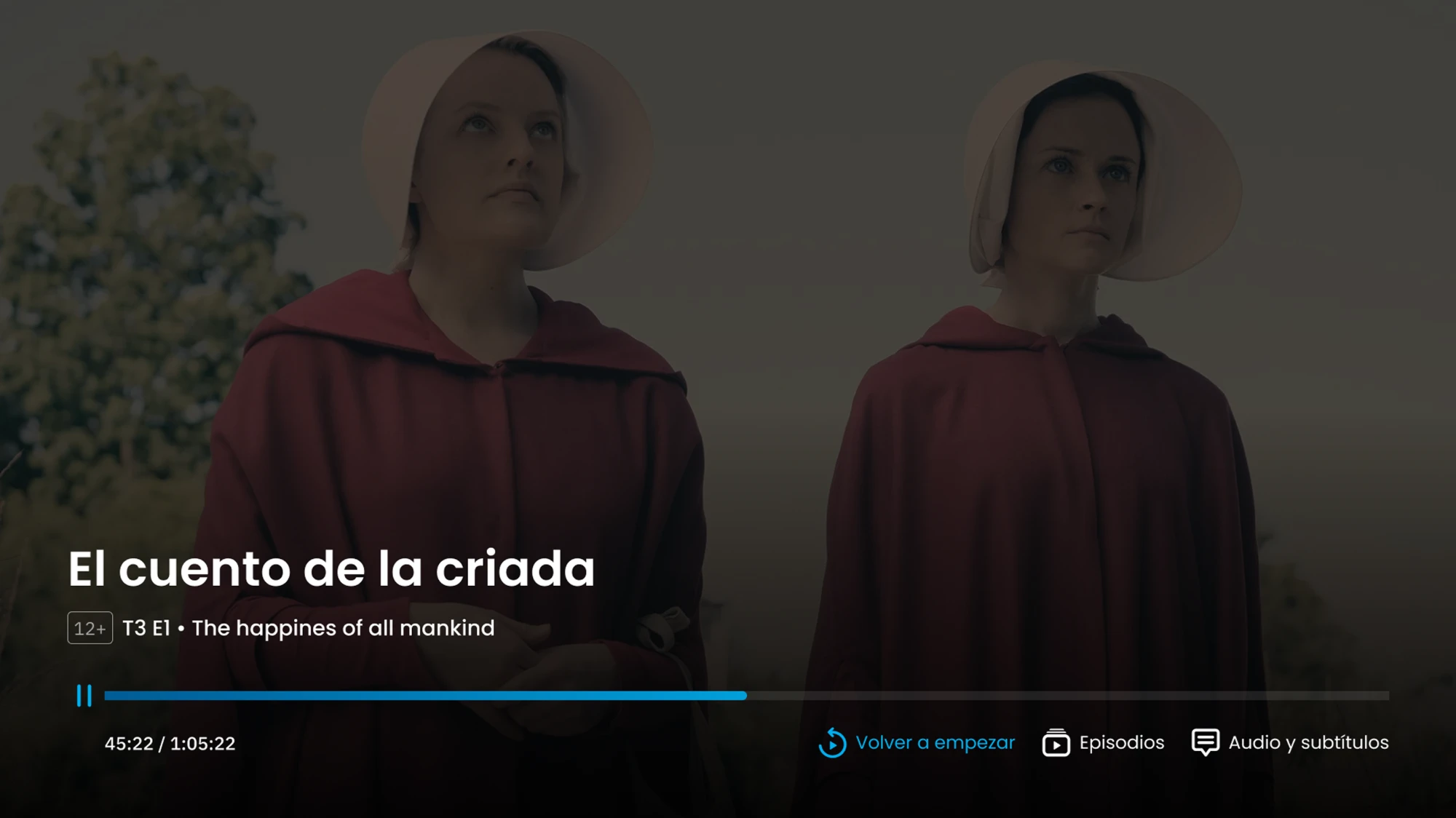
The guide inside the player. Check what's on other channels and switch, without leaving the stream.
The guide scrolls backward, to watch what aired in the last 24 hours.
Browse what's coming and schedule it, with a reminder.
Now
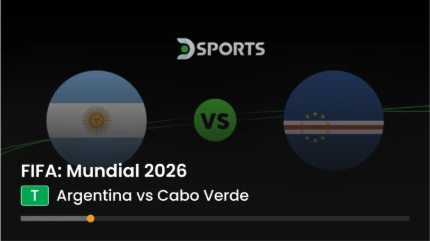
Two changes for what's on right now: a guide that opens over the stream, and a remote that changes the channel the way it always has.
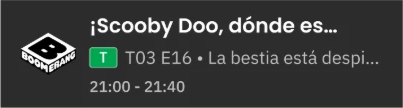
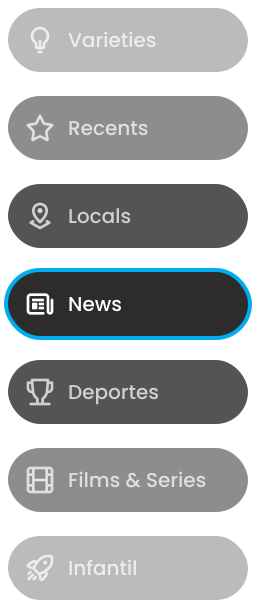
The guide opens over the stream. Change the genre and the channel without leaving what you're watching.
The channel button on the remote goes straight to the next channel, the way TV has always worked.
Before and next
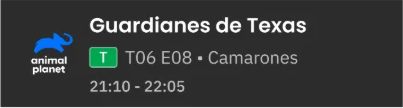
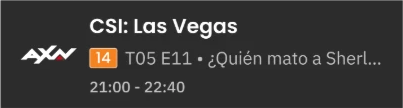
Live TV doesn't have to mean now or never. The same guide goes back to what already aired, and forward to what's coming.
The guide scrolls backward, to watch what aired in the last 24 hours.
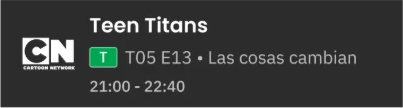
What's on right now, on every channel, at a glance.
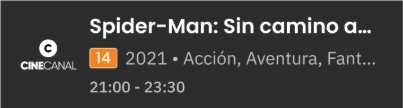
Browse what's coming and schedule it, with a reminder before it starts.
Cut the time to check another live channel by
−79%
from about 14 seconds to about 3
Time to check another live channel, without leaving the stream
Steps to check another channel
4 → 1
without leaving the stream
Reverse EPG is used in
26%
of live sessions, to catch up
Scheduled ahead
~40K
programs per month, with a reminder
| Metric These figures are illustrative, modeled on the shape of the redesign rather than exact reported numbers, but they reflect what actually changed. Reverse EPG and scheduling didn't exist before this work, so their "before" is a true zero. | Before | After | Change |
|---|---|---|---|
| Steps to check another live channel | 4 | 1 | −75% |
| Time to check another live channel | ~14 sec | ~3 sec | −79% |
| Live sessions using Reverse EPG | 0% | ~26% | New |
| Future content scheduled per month | 0 | ~40K | New |
The real outcome
The most durable outcome wasn't a feature, it was a change in what the product was for. DGO stopped treating live TV as one more row in a catalog and started behaving like what most of its viewers came for: television, with the guide one press away and the last 24 hours within reach.
DGO was built on the patterns of streaming apps because that was the category it was sold in. But most of its viewers weren't choosing from a catalog, they were watching television, with habits that came from years of cable: flip, check, come back. The biggest gain came from taking that behavior seriously instead of trying to replace it.
What's still ahead
Measuring the live TV changes against time spent and churn, not only against the time it takes to change the channel.
Personalizing what surfaces first in the in-player EPG based on each viewer's habits, and extending Reverse EPG beyond 24 hours for sports and events.
Reminders shortly before scheduled content starts, and surfacing scheduled content back on the homepage, not just in notifications.